Humanity Measures Itself


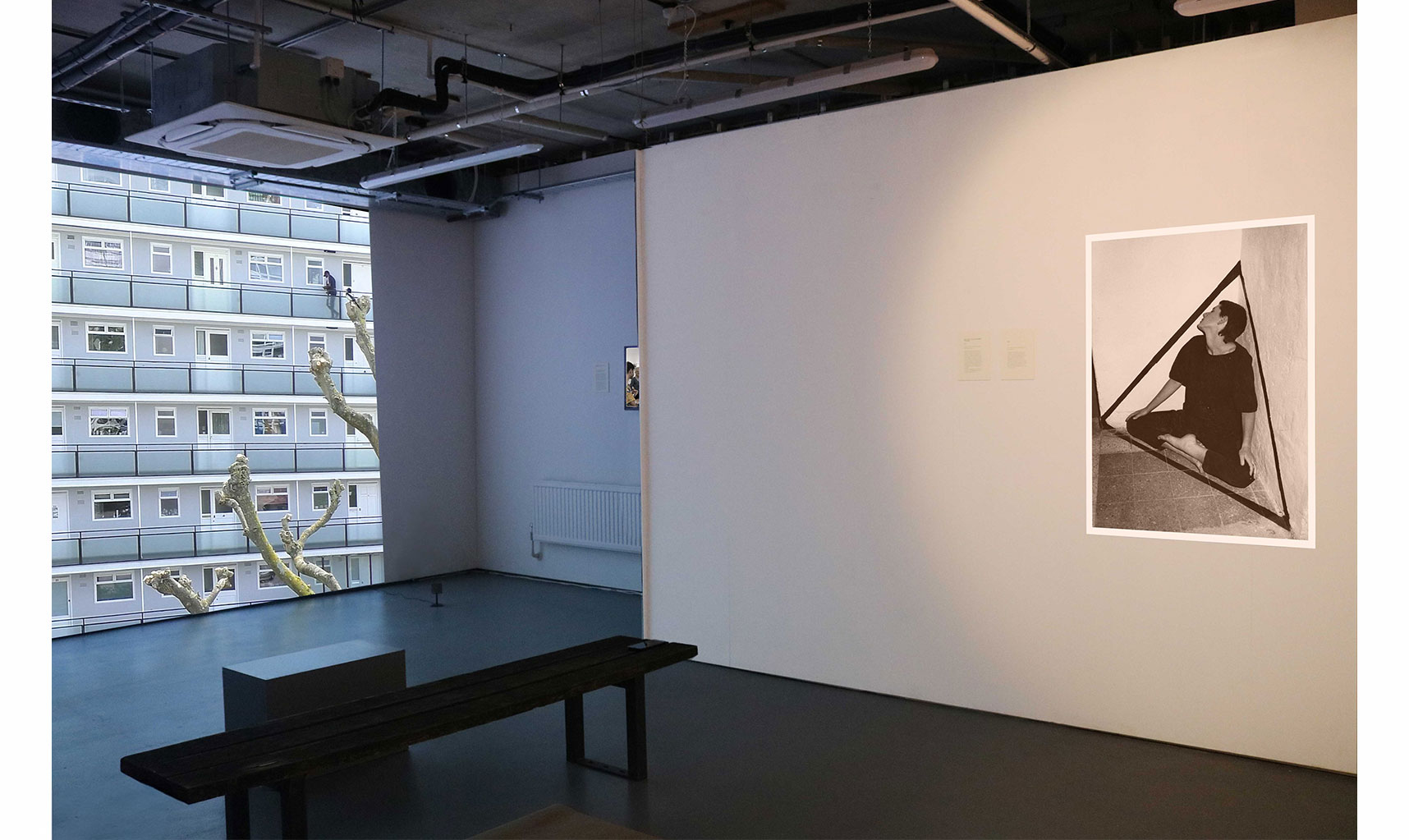

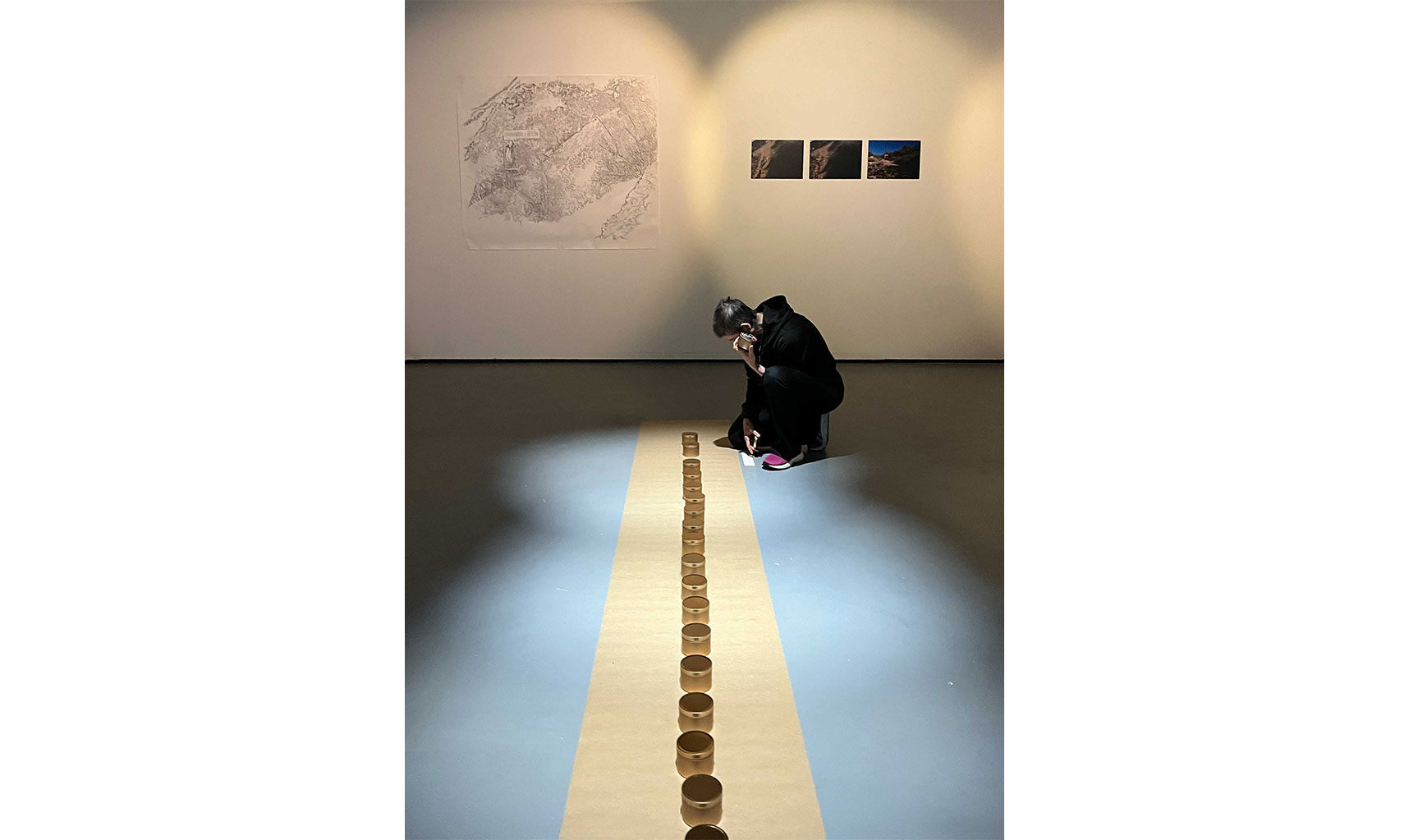
HUMANITY MEASURES ITSELF
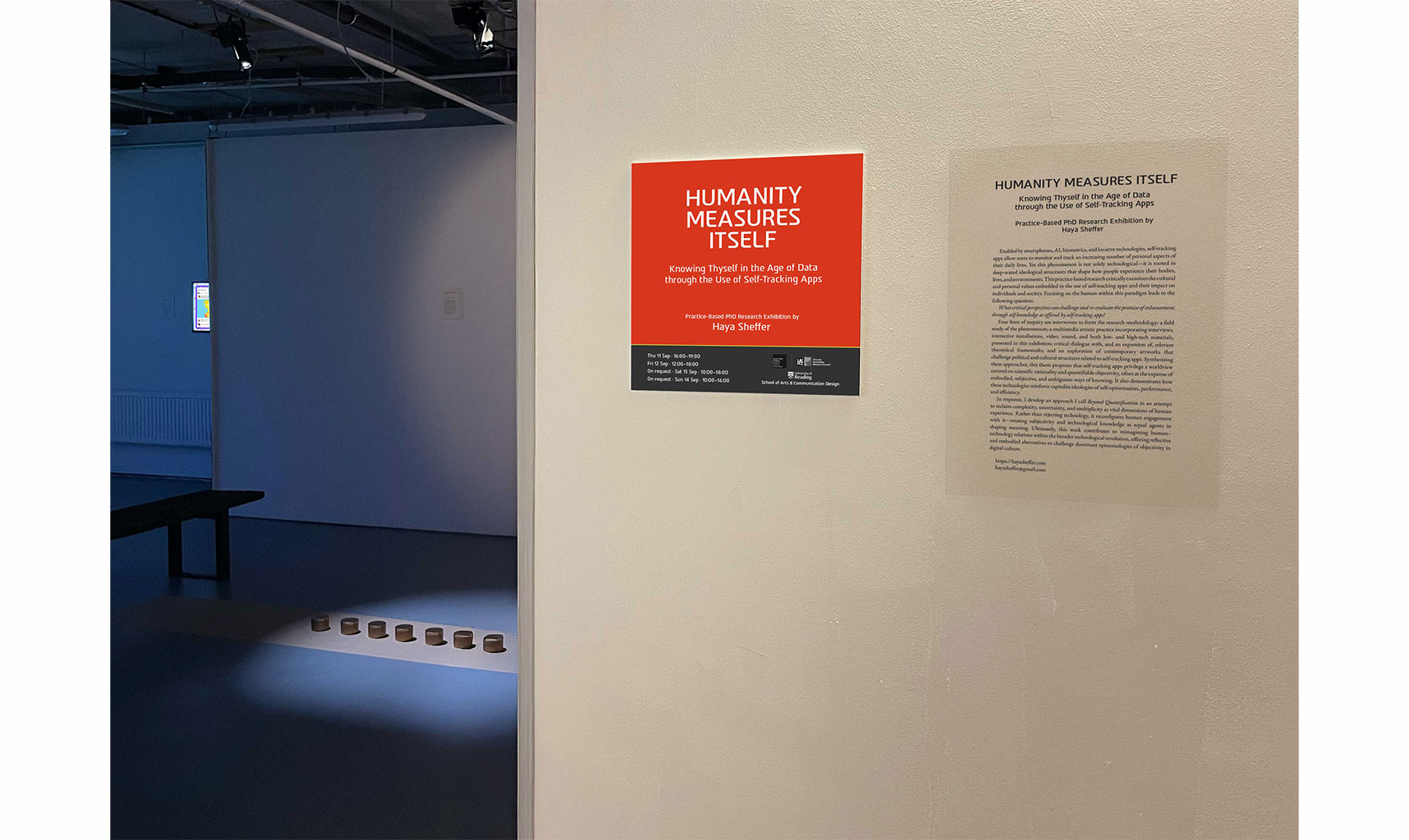
Knowing Thyself in the Age of Data through the Use of Self-Tracking Apps
Practice-Based PhD Research Exhibition by Haya Sheffer
Enabled by smartphones, AI, biometrics, and locative technologies,self-tracking apps allow users to monitor and track an increasing number of personal aspects of their daily lives. Yet this phenomenon is not solely technological—it is rooted in deep-seated ideological structures that shape how people experience their bodies, lives, and environments. This practice-based research critically examines the cultural and personal values embedded in the use of self-tracking apps and their impact on individuals and society. Focusing on the human within this paradigm leads to the following question:
What critical perspectives can challenge and re-evaluate the promise of enhancement through self-knowledge as offered by self-tracking apps?
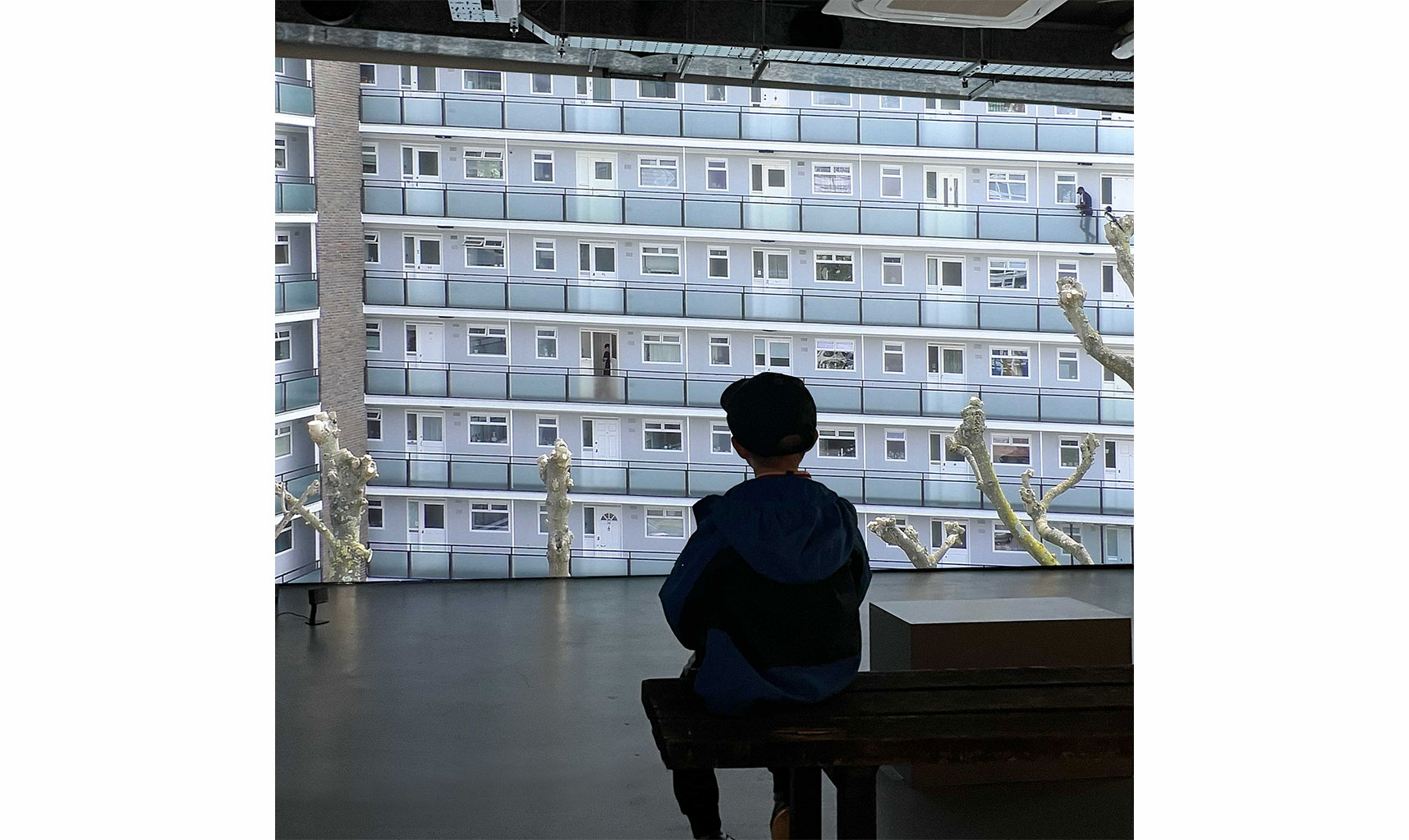
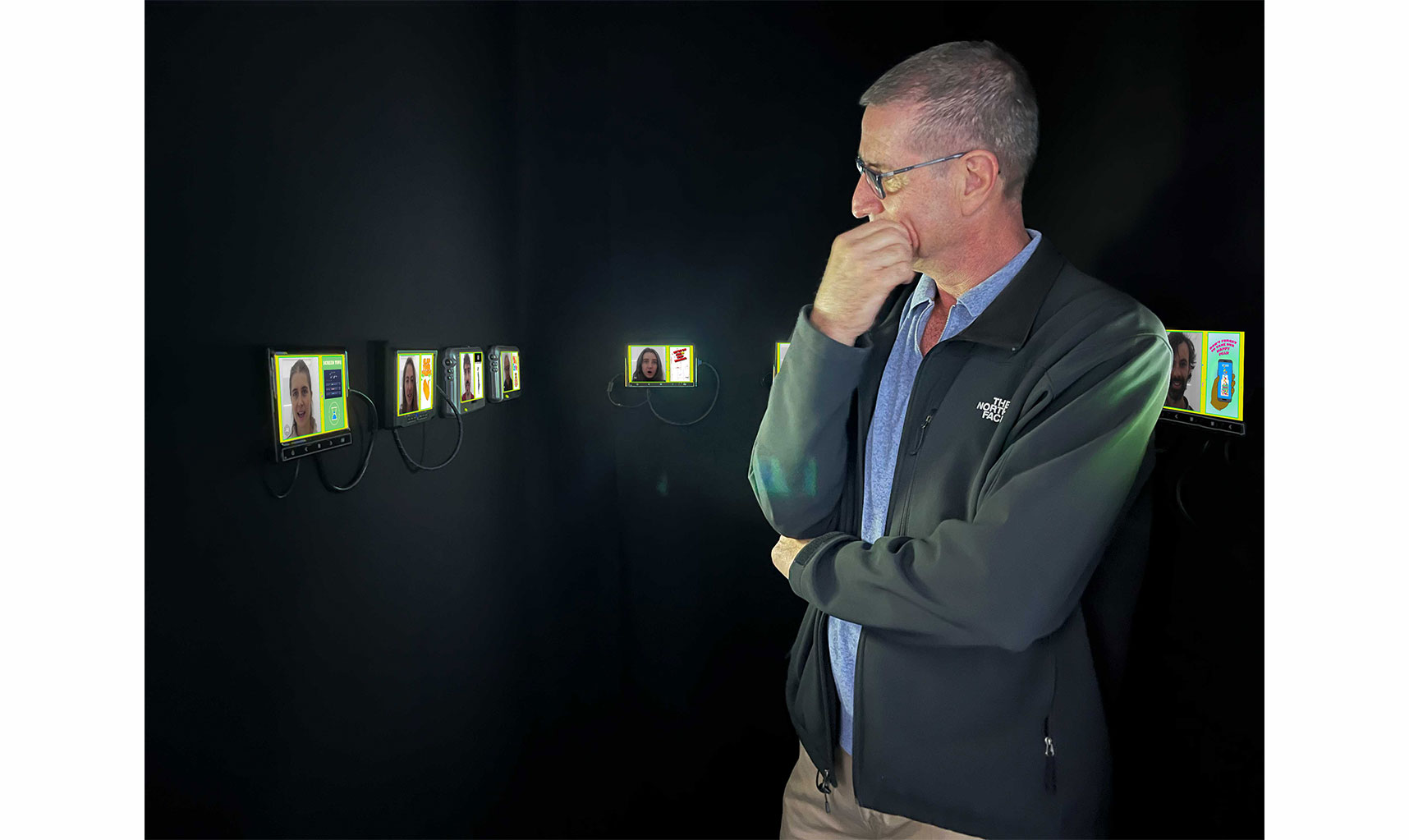
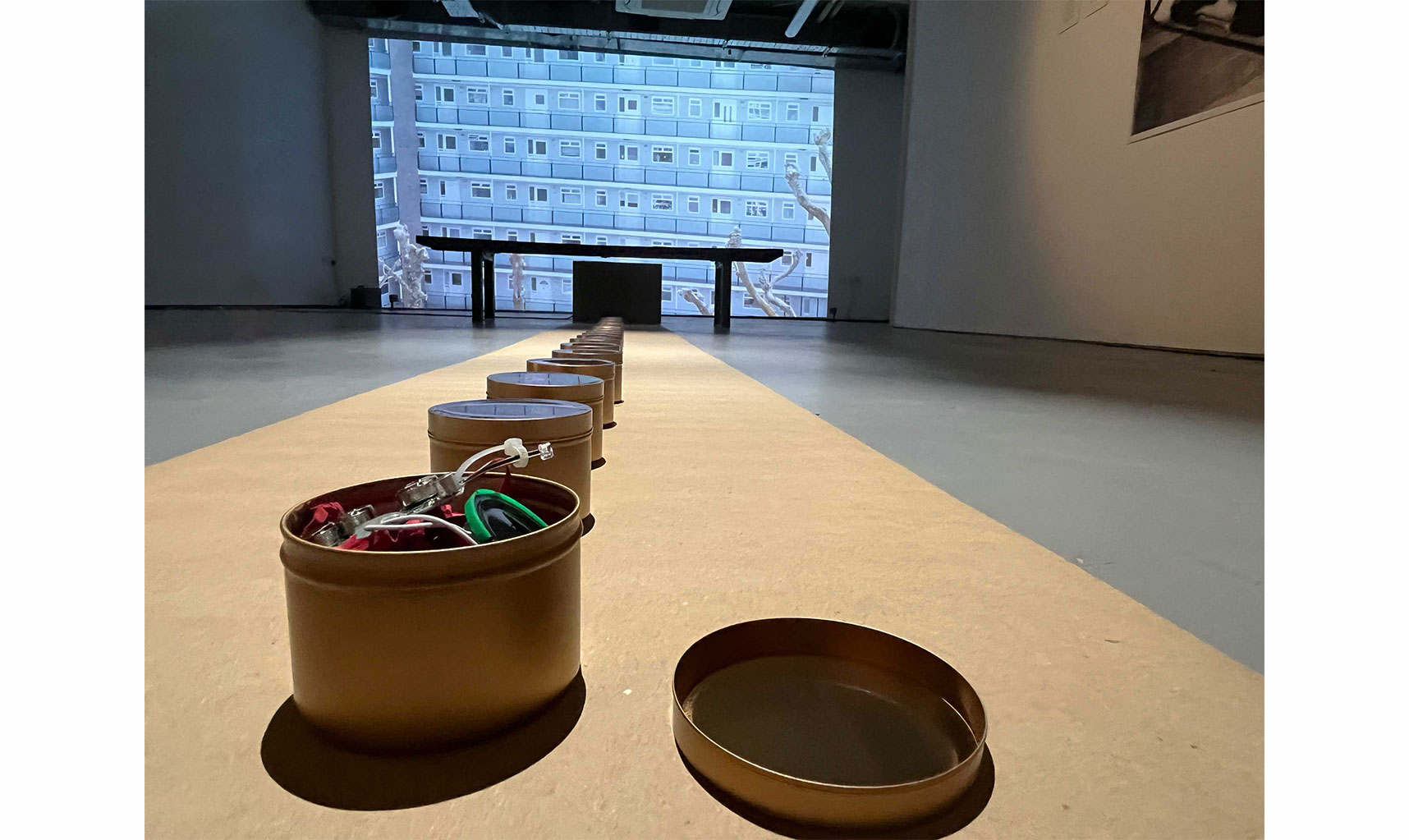
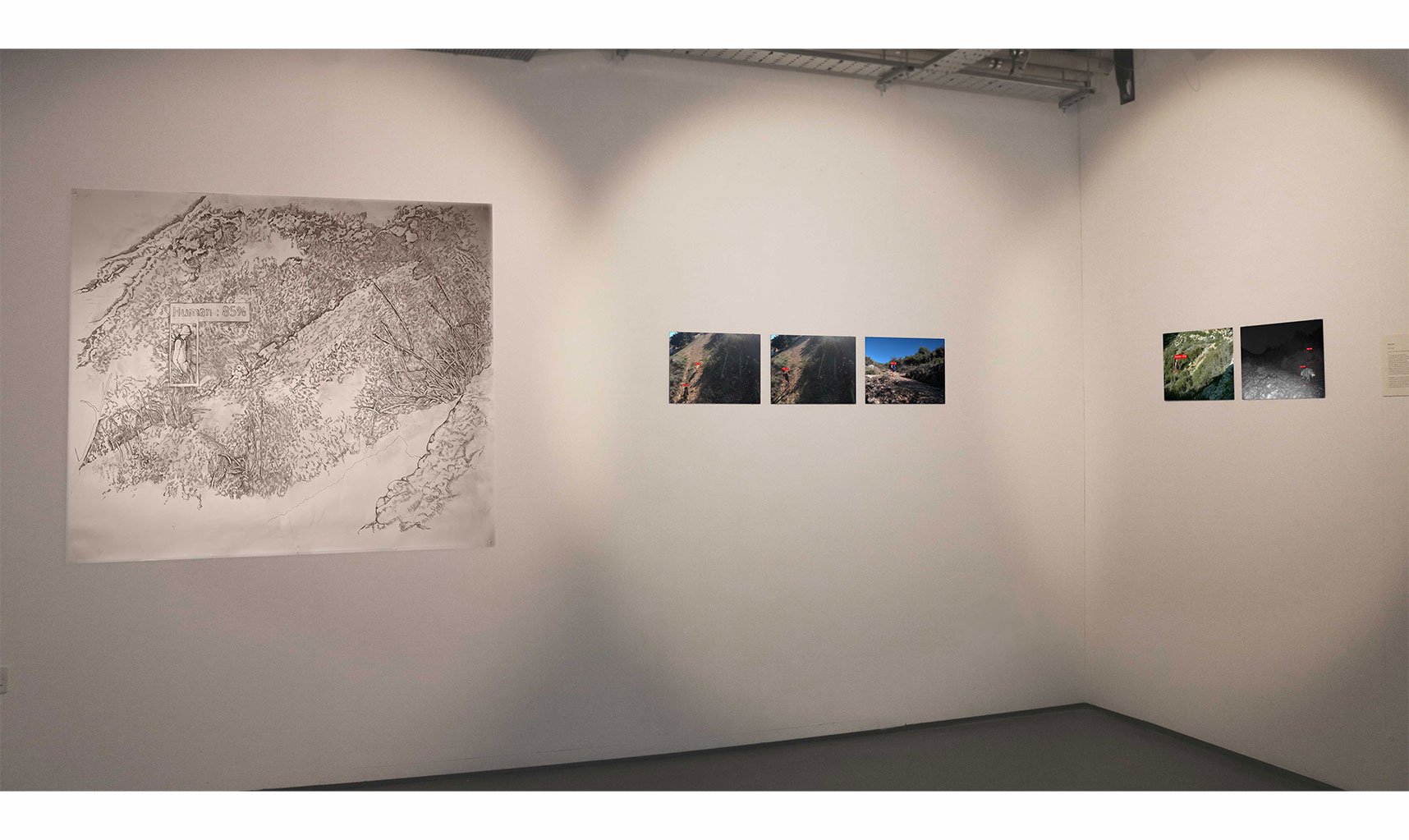
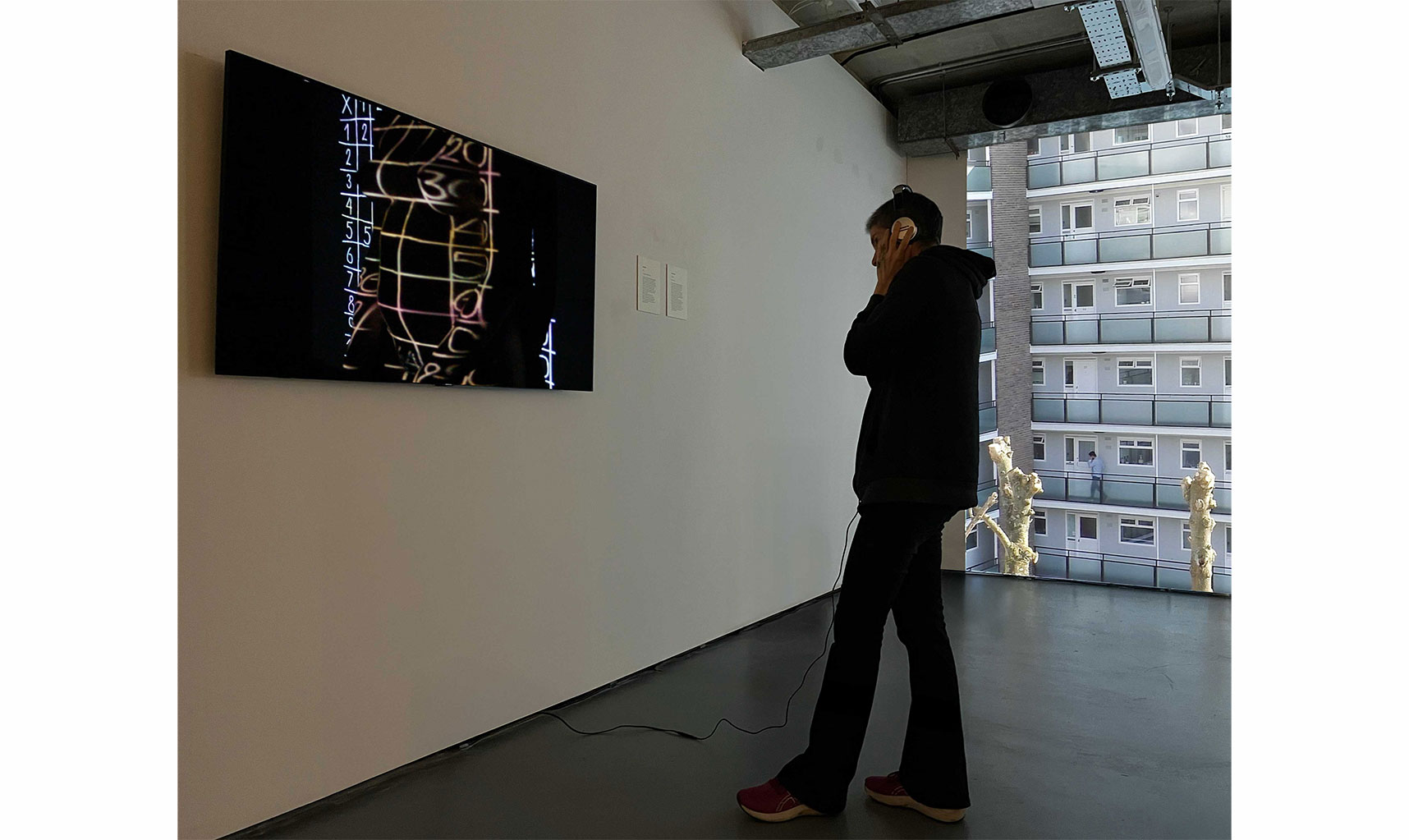
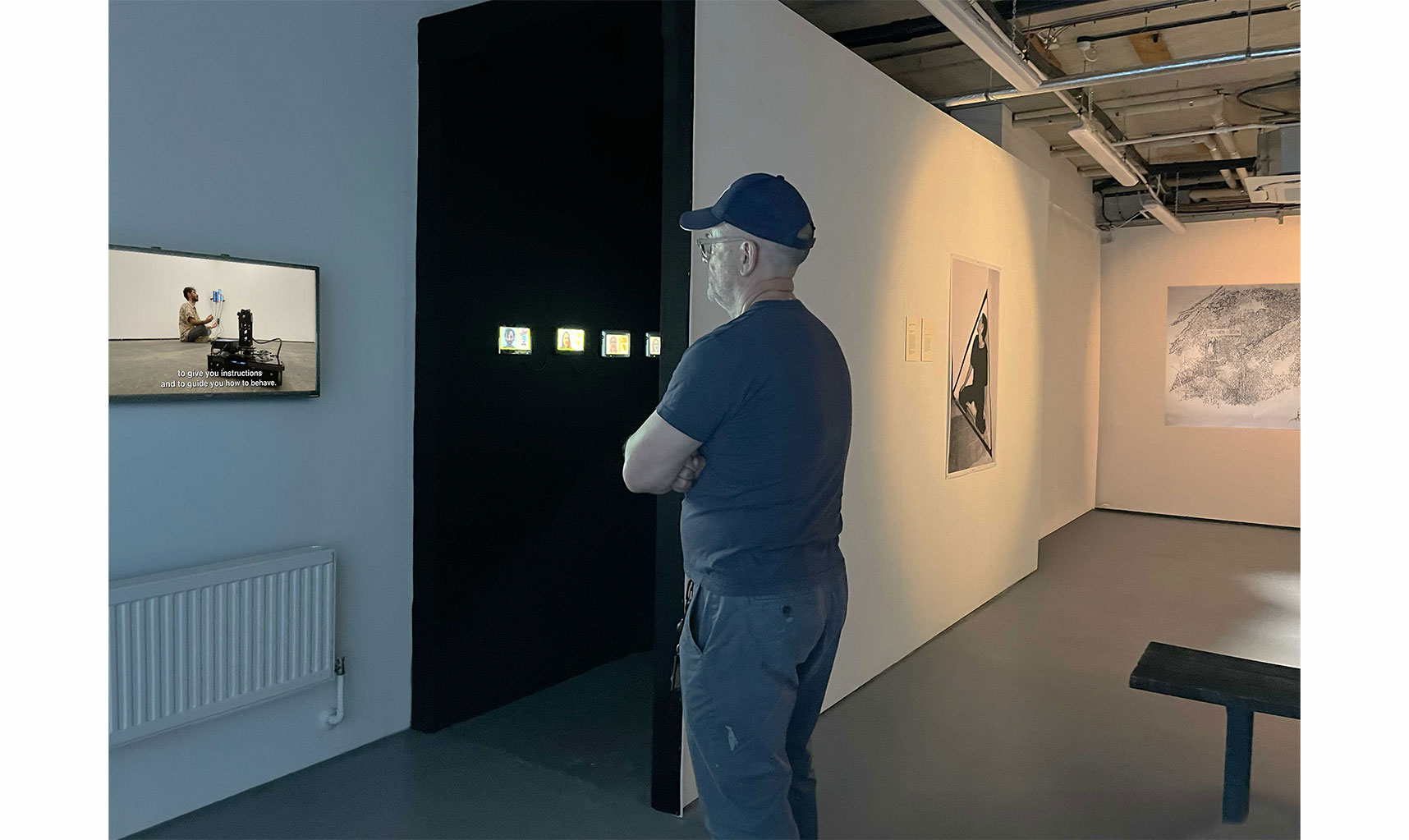
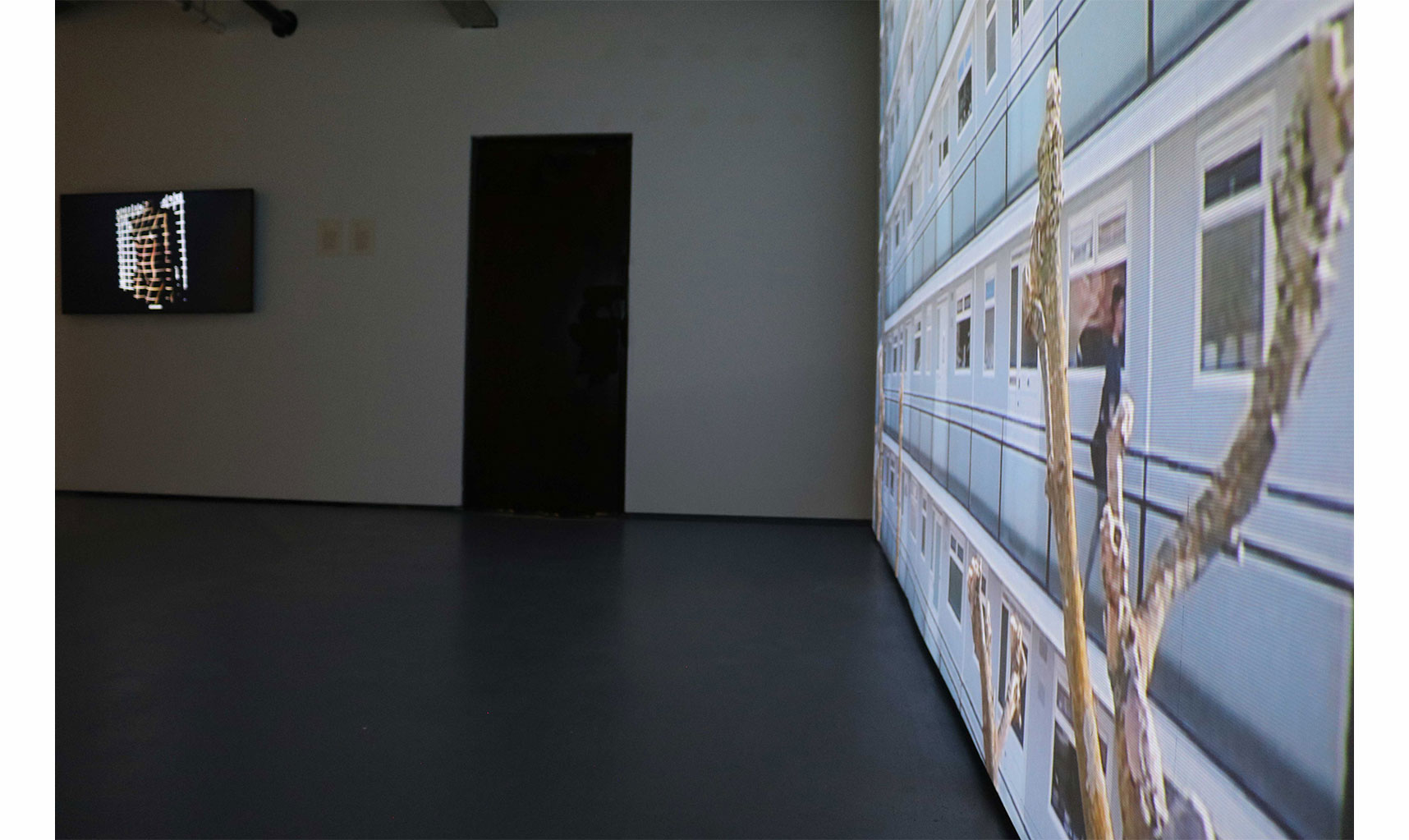
Four lines of inquiry are interwoven to form the research methodology: a field study of the phenomenon; a multimedia artisticpractice incorporating interviews, interactive installations, video, sound, and both low- and high-tech materials, presented in this exhibition; critical dialogue with, and an expansion of, relevant theoretical frameworks; and an exploration of contemporary artworks that challenge political and cultural structures related to self-trackingapps. Synthesising these approaches, this thesis proposes that self-tracking apps privilege a worldview centred on scientific rationality and quantifiable objectivity, often at the expense of embodied, subjective, and ambiguous ways of knowing. It also demonstrates how these technologies reinforce capitalist ideologies of self-optimisation, performance, and efficiency.
In response, I develop an approach I call Beyond Quantification in an attempt to reclaim complexity, uncertainty, and multiplicity as vital dimensions of human experience. Rather than rejecting technology, it reconfigures human engagement with it—treating subjectivity and technological knowledge as equal agents in shaping meaning. Ultimately, this work contributes to reimagining human–technology relations within the broader technological revolution, offering reflective and embodied alternatives to challenge dominant epistemologies of objectivity in digital culture.
Visit the projects’ pages:

85% Human

Cage
#MathToo

Carroll House

The Archive of the Lost Embodied Knowledge
Self-Surveillance: You Have Reached Your Destination
From the Examiners’ Report:
A strong and thoughtful arts practice-based critical inquiry into self-tracking apps and the extension of modernist paradigms and ideologies through emergent technologies. Candidate develops and presents the approach of Beyond Quantification, providing a strong, relevant premise for research that merges artistic practice with critical, theoretical inquiry and lived experiences – engaging in a feminist methodology that supports the findings of the research effectively.
Candidate demonstrates comprehensive understanding of relevant theorists, which are effectively applied intertextually to present a poignant analysis. There is a distinct angle to this research that is not commonly found when considering self-tracking apps that also attests to the significant of art in philosophical inquiries. It offers a broad but very relevant selection of texts from different fields. And while there is no particular area that is exhausted here – between the philosophy of technology, feminist and Marxist writing, media studies and postmodern critique – these are incorporated very effectively and help the argument advance throughout the text.
This is an innovative research project where its originality claims are made possible by a strong focus on a particular case study. Although some literature exists around the design and implementation of self-tracking apps, mainly in the social sciences and engineering fields, this is an attempt to tackle the phenomenon through art and humanities modes of investigation. Haya is cautious to say that this is not a study of technology or of a particular history of technology but that her motivation is to better understand the function and appeal of this limited category of digital technologies.
In terms of methodology, the thesis is particularly successful in embedding interviews with a selective group of users. Statements taken from these interviews are constantly measured against theoretical arguments and help frame the discussion and help reiterate the motivation for embarking on this project.
In addition, Haya’s art works are successfully introduced here and are well integrated into the overall project. The structure of the thesis and the way art is used within the text, makes it clear to understand how questions around the body in relation to technology, participation and feedback loops, data monitoring and behaviour are explored in the studio as well as through reading. Textual encounters help illuminate particular decisions in the work, while art projects offer new approaches to theoretical questions.